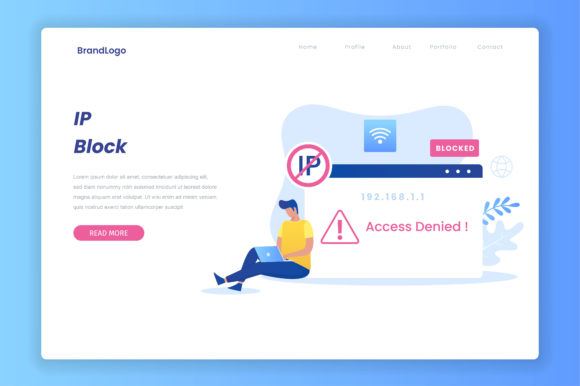
Exploring the IP Address Vector Concept for Modern Design
In the ever-evolving landscape of digital design, we often seek assets that bridge the gap between technical precision and visual appeal. The IP Address Vector Concept stands out as a fascinating example of this intersection. It is not merely a font in the traditional sense; it is a comprehensive visual language built around the idea of connectivity, data flow, and the structured beauty of digital networks. For designers, entrepreneurs, and content creators, understanding this concept opens up new avenues for creating compelling brand identities and marketing materials.
Visual Characteristics and Style
The IP Address Vector Concept is characterized by its clean, geometric forms and a distinct sense of order. Imagine the structured elegance of a sans serif font, but with a digital twist. The letterforms often incorporate subtle nods to network diagrams, binary code, or circuit board traces. You might see characters with perfectly squared-off terminals, or perhaps a series of dots and dashes integrated into the design, reminiscent of data packets moving across a network. The overall personality is one of modernity, intelligence, and reliability. It feels contemporary, tech-savvy, and inherently trustworthy. This style avoids the coldness of pure monospace code fonts, instead offering a sophisticated and approachable aesthetic that works beautifully for both digital and print applications.
The appeal lies in its versatility. It can be rendered as a bold, impactful display font for headlines that demand attention, or as a more refined, readable typeface for shorter blocks of text in editorial design. The vector nature of the concept ensures that every line and curve remains crisp and scalable, whether it's used on a massive billboard or a tiny mobile app icon. This makes it a valuable addition to any designer's toolkit of premium font and design assets.
Where This Concept Shines: Applications Across Projects
The true strength of the IP Address Vector Concept is its adaptability across a wide spectrum of creative projects. Its inherent connection to technology makes it a natural fit for the tech industry, but its applications extend far beyond that.
- Branding and Logo Design: For startups, SaaS companies, cybersecurity firms, or any business positioning itself as innovative, this concept provides a strong foundation for a brand identity. A logo built with these visual elements communicates forward-thinking values and technical expertise instantly.
- Web and Digital Design: As a web design asset, it excels in headers, navigation menus, and call-to-action buttons on landing pages. Its clarity ensures excellent readability on screens, while its unique style helps a website stand out in a crowded digital space. It’s equally effective in mobile applications, where clean UI typography is paramount.
- Marketing and Social Media: In the fast-scrolling world of social media, visuals need to capture attention quickly. Using the IP Address Vector Concept for social media graphics, infographics, or video thumbnails can create a cohesive and professional look that reinforces brand recognition. It’s also a powerful choice for packaging design for tech gadgets, software products, or modern consumer goods.
- Editorial and Publishing: Bloggers, publishers, and content creators can leverage this concept for magazine layouts, book covers (especially in sci-fi, non-fiction, or business genres), and report designs. It adds a layer of sophistication and thematic relevance to editorial design.
- Personal and Commercial Projects: From designing a personal portfolio website to creating professional presentations, the versatility of this vector concept supports both personal and commercial endeavors with style.
Making It Work: Practical Guidance for Your Projects
Choosing the right creative font or visual concept is about more than just liking how it looks. It’s about ensuring it serves the project’s goals. Here’s how to approach the IP Address Vector Concept with a strategic mindset.
First, consider the project's voice. Is it playful or serious? The IP Address Vector Concept leans towards a professional and intelligent tone. If your project is for a children’s brand or a whimsical bakery, it might not be the best fit. However, for a financial app, a tech blog, or a consulting firm, it could be perfect. Always evaluate the project fit by aligning the font’s personality with your brand’s message.
Next, think about font pairing. A striking display font like this often benefits from being paired with a simpler, highly readable body font. A classic serif font or a clean sans serif font for longer text paragraphs can provide a beautiful contrast that establishes a clear visual hierarchy. The display concept captures attention, while the body font ensures your message is delivered comfortably. Don’t be afraid to experiment—test combinations in your design software to see what feels balanced.
Finally, pay close attention to the included files and licensing. A well-prepared package, like the one described with AI, EPS, JPEG, PNG, and SVG files, offers incredible flexibility. The vector formats (AI, EPS, SVG) are essential for scaling without loss of quality, crucial for everything from logo design to large-format prints. The raster formats (JPEG, PNG) are ready-to-use for web and digital applications. Always verify the commercial font licensing to ensure your usage, whether for a client project or your own business, is fully covered. This due diligence protects your investment and allows you to use the assets with confidence.
In practice, imagine using the IP Address Vector Concept for a conference poster. The main headline, set in a bold weight of the concept, immediately establishes the event’s tech-focused theme. Supporting information uses a paired sans serif font for clarity. The same visual language is then carried through the event’s website, social media banners, and name badges, creating a seamless and professional experience that boosts audience engagement and brand recognition. This is the power of a cohesive visual strategy built around a strong, well-understood design concept.